


The 1939 jailhouse, Aurora, North Carolina. Photo from a site visit.
Aurora History Museum
A volunteer-run plan for turning a 1939 jailhouse into a museum of a town’s untold history, shaped with about 80 of its residents.
NC State University, MID
IBM-led Special Topics
Spring 2026
16 weeks
Sponsored by

Partnered with PARTP
Lead Instructor: Steve Kim
Instructor: Rebecca Knowe
Instructor: Jillian Quiller
Instructor: Russell Pinkston
Aurora is a small town on the Pamlico River with a world-class fossil museum, a jailhouse nobody uses, and a history most visitors never hear: the Black community of Betty Town, the first integrated school, crabbing and grist mills, a collection lost to a hurricane. The Partnership for Aurora-Richland Township Progress asked our class to help turn the jail into a history museum the town could run itself.
We didn’t build a museum. We built the plan for one: a roadmap from a July 2026 soft launch through 2028, twelve exhibit suggestions, visual mock-ups of the space, and a best-practices packet volunteers can follow without a curator. My job on a team of seven was the visuals and the physical space: measured drawings and a SolidWorks model of the building, the AI mock-ups built on it, the decks and documents, and the museum-practice advice.
Problem
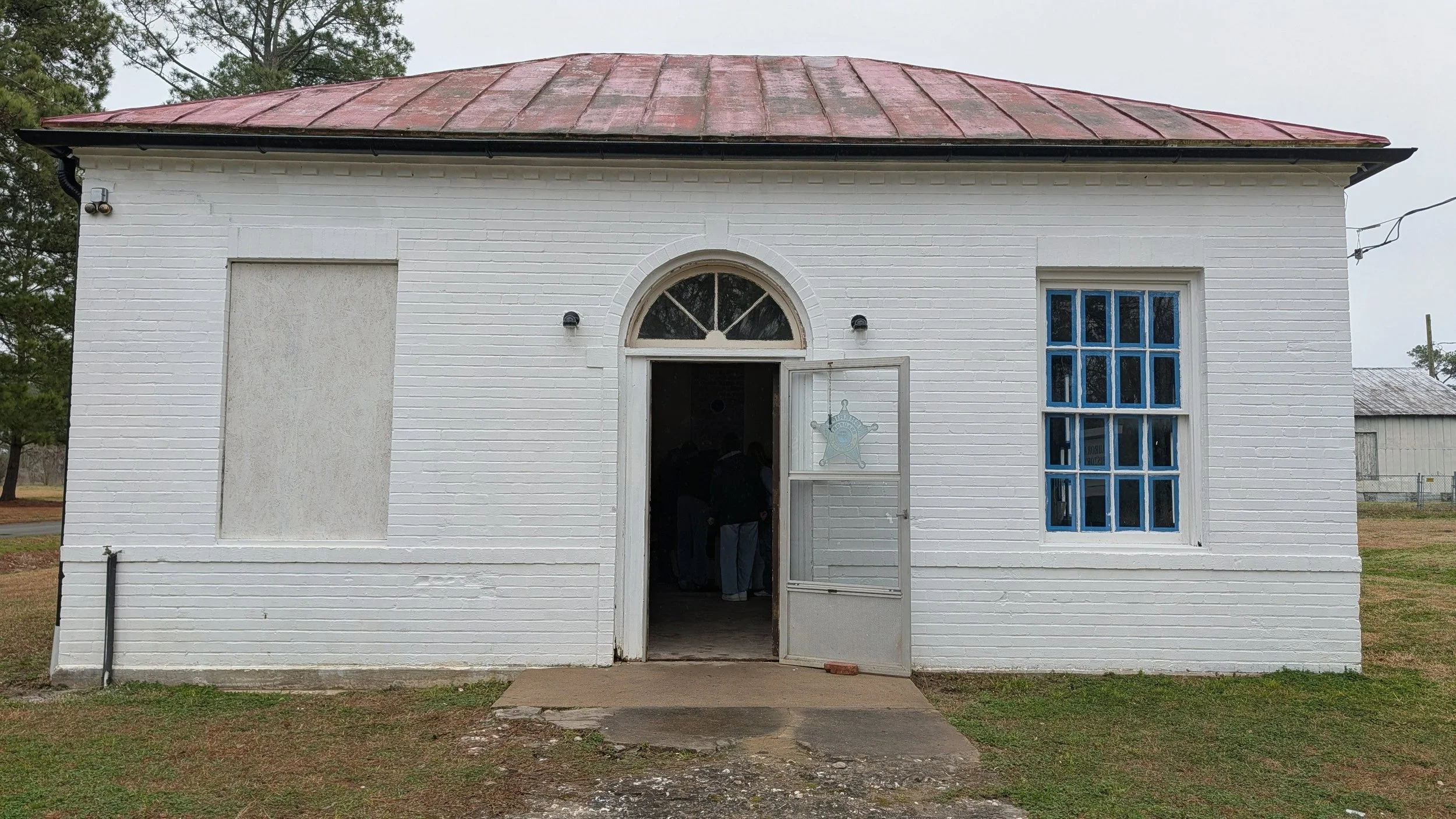
The sign is already up. The museum behind it is the project. Photo from a site visit.
Aurora’s history is held by its people and almost nowhere else. The previous museum’s collection was destroyed in 2011 when Hurricane Irene put three feet of water through the building. The town has the building, the stories, and the will, but no staff, no budget, and a long memory of projects that were built up to be torn down.
What PARTP needed: a museum that keeps the jail cell, opens in stages, and can be run by volunteers. Soft launch July 2026.
What the town needed: to be asked. Especially the residents whose history the old museum never told.
IBM Enterprise Design Thinking course, NC State. Our team worked with PARTP’s leadership, the county sheriff on the building’s history, a local historian, an author, and residents across two visits.
Community by design.
The town: Aurora, Beaufort County, population in the hundreds. Known for the Aurora Fossil Museum and the phosphate mine down the street. The jail was built in 1939 and has stood empty for years.
Betty Town: the name the town’s Black community still uses for its part of Aurora. Its history, and Bonnerton’s next door, is the “untold” history the museum is meant to tell.
Five goals, set in the first phase of the course: build pride and unity; connect the history museum to the fossil museum; increase tourism; voice hidden histories and cultures; design a space volunteers can run.
Aurora & Betty Town
Swap the cleaner, reuse the bottle.
Roadmap
July 2026, soft launch: the cell, one room, the first Betty Town stories, a volunteer rota, and a donation table with a Deed of Gift form.
2027, grow: twelve exhibit suggestions in priority order, a story-collection drive, mock marketing materials, a link to the Fossil Museum’s foot traffic.
2028, sustain: a community mural that doubles as a grant application, amenities that earn revenue, a museum-studies intern or resident in place of a curator.
Each stage has degrees: what to do with nothing, with a little, and with a grant. PARTP provides the building, the volunteers and the collection; we provided the order of operations.
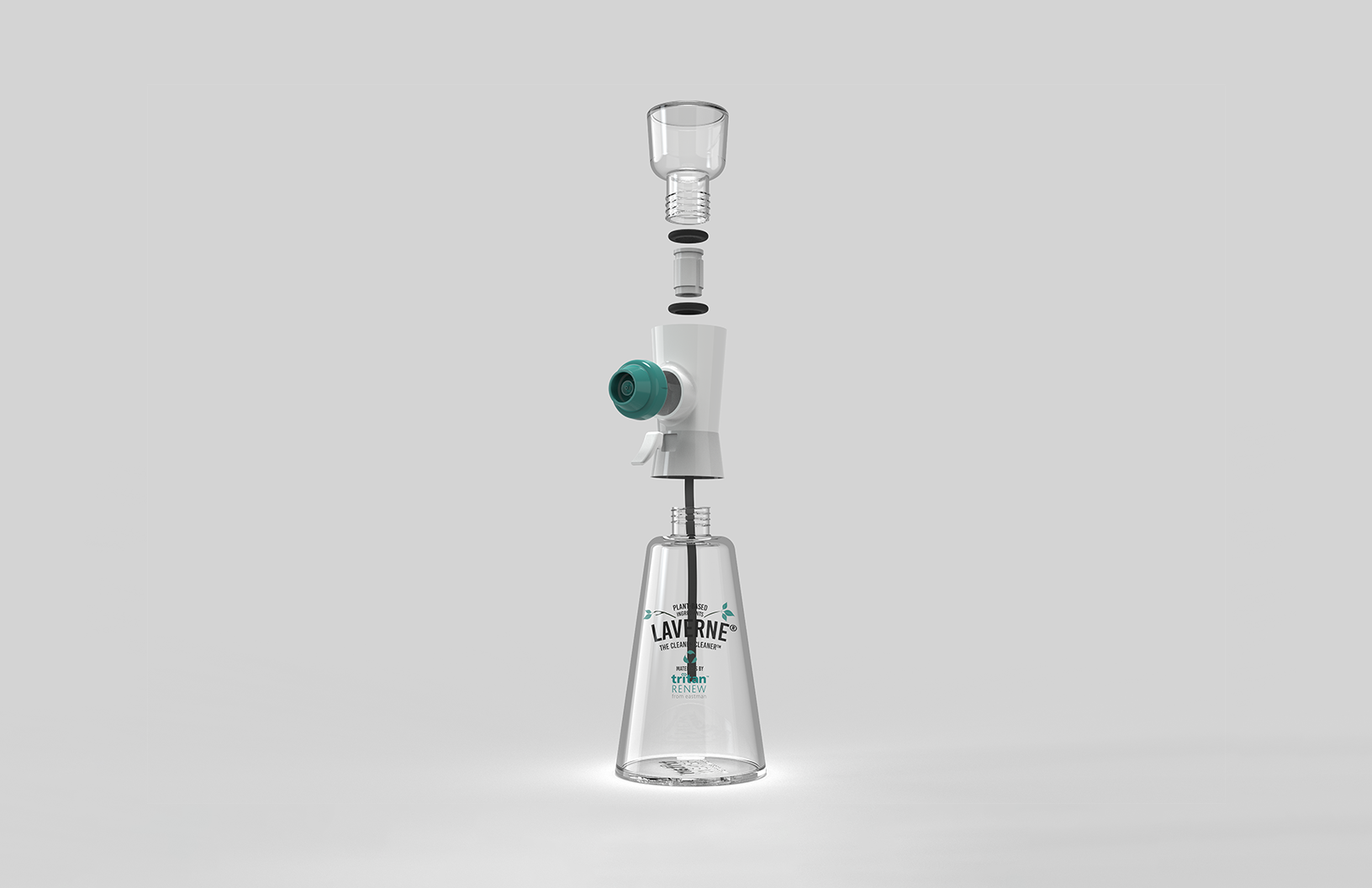
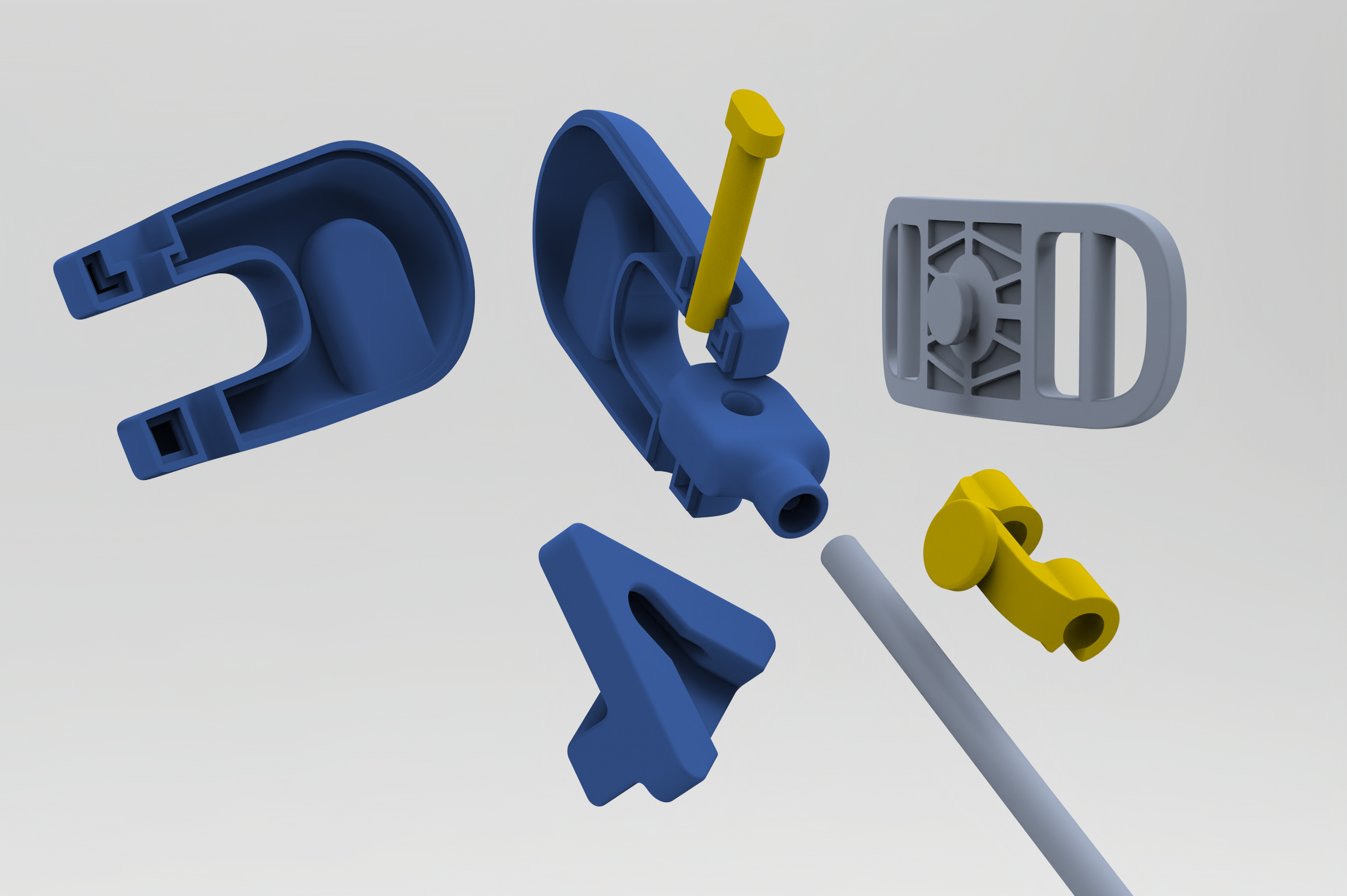
Exploded view. KeyShot.
Best Practices Packet
A volunteer handbook in five sections: building maintenance, artifact intake and handling, secure storage, display cases, and grounds. Written for someone who has never worked in a museum.
Rules that came from Aurora, not a textbook: a fourteen-day quarantine for every donation; no electrical repairs by volunteers, call Duke Energy; and nothing on the bottom three feet of any shelf, because that is how high the water came in 2011.
Display cases: four case types volunteers or local furniture makers can build, with the materials that are safe around artifacts and the ones that aren’t. Oak and cedar off-gas; use maple, poplar, or formaldehyde-free MDF.
I wrote the museum-practice sections and designed the document. One of our IBM instructors, a design researcher, said it was good to have an industrial designer on the team who knew this material.
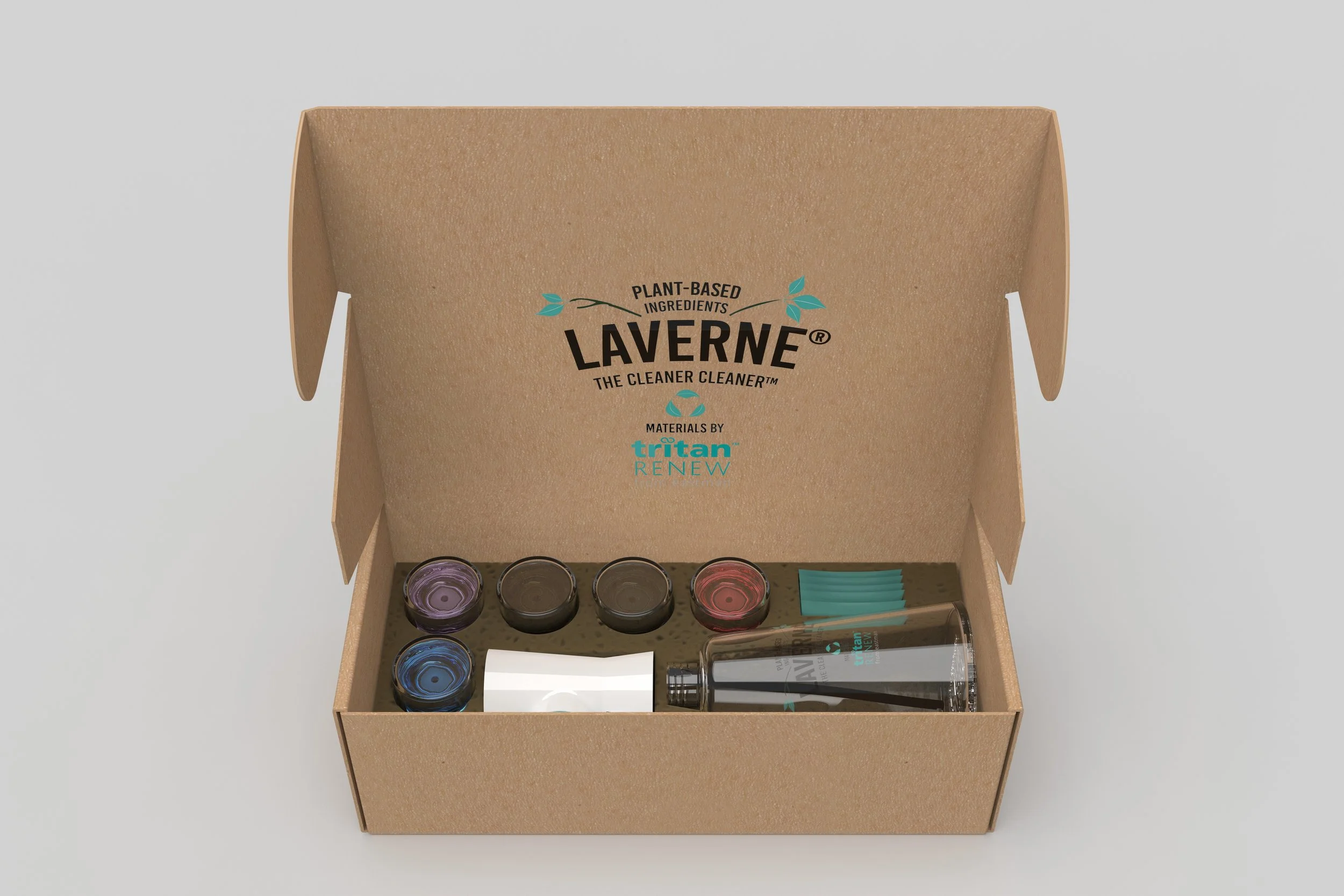
The starter kit, as it arrives. KeyShot.
Feedback & Takeaways
Layers: this was a museum project, a trust project, and a logistics project at once. The sticky notes mattered as much as the renders.
What held: measure the building first. A scale model let seven people and a town argue about the same rooms.
What I’d change: print the interior. Show the AI images with their flaws labeled rather than polished away.
Status: delivered to PARTP, May 2026. Soft launch planned July 2026. I’m still in touch with the people we met.
Work
Cooking without Sight
Aurora History Museum
Teaching Design
Lunar Habitat Table
“Phygital” Major Appliance Shopping
Remote First Appearances
ErgoTrack Tool Access
Universal Spray Bottle